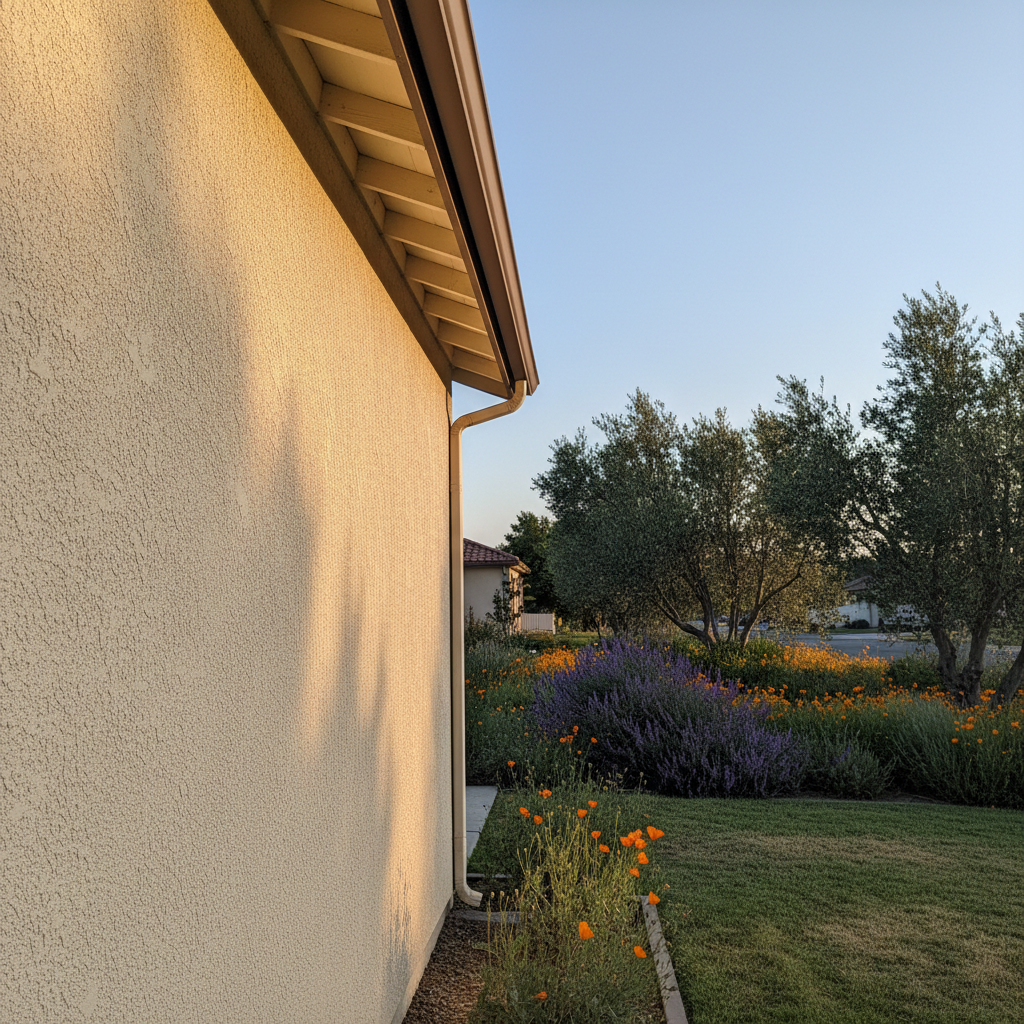
Stucco Maintenance: Don't Let Our Visalia Sun Bake Your Investment
You've got stucco on your home, and that's a smart choice for our climate here in Visalia. It's durable, energy-efficient, and looks good. But 'durable' doesn't mean 'maintenance-free.' Just like anything else, a little care goes a long way to making sure your stucco lasts as long as it should, saving you headaches and money down the road.
I've seen plenty of homes around here, from the older places in the Garden Street area to the newer builds out by Shannon Ranch, and the ones that hold up best are the ones where folks pay attention to the basics. It's not rocket science, but it does require a bit of know-how.
Regular Check-ups: What to Look For
Think of it like checking the oil in your car. You don't wait for the engine to seize up, right? Same with your stucco. You want to catch small issues before they become big, expensive problems. I tell my clients to do a quick walk-around their house at least once a year, maybe twice. Here's what you're looking for:
- Cracks: Hairline cracks are pretty common, especially with our temperature swings. If you can slip a credit card into a crack, that's a problem. Anything wider than a sixteenth of an inch needs attention.
- Discoloration or Stains: Dark streaks, especially under windows or near downspouts, usually mean water is getting where it shouldn't. Green or black spots could be mold or mildew, which can happen with persistent moisture.
- Bulges or Soft Spots: Press lightly on the stucco in different areas. If it feels soft, spongy, or bulges out, that's a serious sign of water damage behind the wall.
- Missing or Damaged Flashing: Flashing is that metal or plastic material around windows, doors, and rooflines that directs water away. If it's bent, rusted, or missing, water will find its way in.
- Loose or Damaged Sealants: Check the caulk around windows, doors, and where stucco meets other materials. If it's cracked, peeling, or gone, it's not doing its job.
Keeping it Clean: Simple Steps to Extend Life
Cleaning your stucco isn't just about curb appeal; it's about preventing problems. Dirt and grime can hold moisture against the surface, and that's never good. Here's how to do it right:
- Gentle Washing: For most dirt and dust, a garden hose with a spray nozzle is all you need. Start from the top and work your way down. Don't use high-pressure washers too close to the wall; you can damage the finish or force water into cracks.
- Mild Detergent: For tougher stains, mix a little mild dish soap or a stucco-specific cleaner with water. Apply it with a soft brush, let it sit for a few minutes, and then rinse thoroughly. Always test in an inconspicuous spot first.
- Mold and Mildew: If you see green or black spots, a solution of one part bleach to three parts water can often do the trick. Again, apply gently, let it sit, and rinse well. Wear protective gear – gloves and eye protection are a must.
One thing I've noticed here in Visalia, especially in the older neighborhoods with big trees, is that leaves and debris can pile up in gutters and against the house. Keep those areas clean. Our dry, dusty summers can also mean a lot of grime builds up, so a good rinse every few months can really help.
When to Call a Pro (That's Us!)
Look, I'm all for DIY, but some things are best left to the experts. If you spot any of those serious warning signs I mentioned – wide cracks, bulges, significant water stains that keep coming back, or soft spots – don't try to patch it yourself with a tube of caulk. That's usually just covering up a bigger issue that needs proper diagnosis and repair.
Water intrusion behind stucco can lead to wood rot, mold, and even structural damage. You need someone who understands how stucco systems are built, how water moves, and how to fix it right so it doesn't happen again. That's where Visalia Stucco & Plastering comes in. We've been dealing with stucco issues in this valley for a long time, and we know what it takes to get it done right.
If you're unsure about something you've found during your inspection, or if you're seeing signs of serious damage, give us a call. It's always better to address these things sooner rather than later. A small repair now can prevent a major overhaul down the road, and that's good for your home and your wallet.