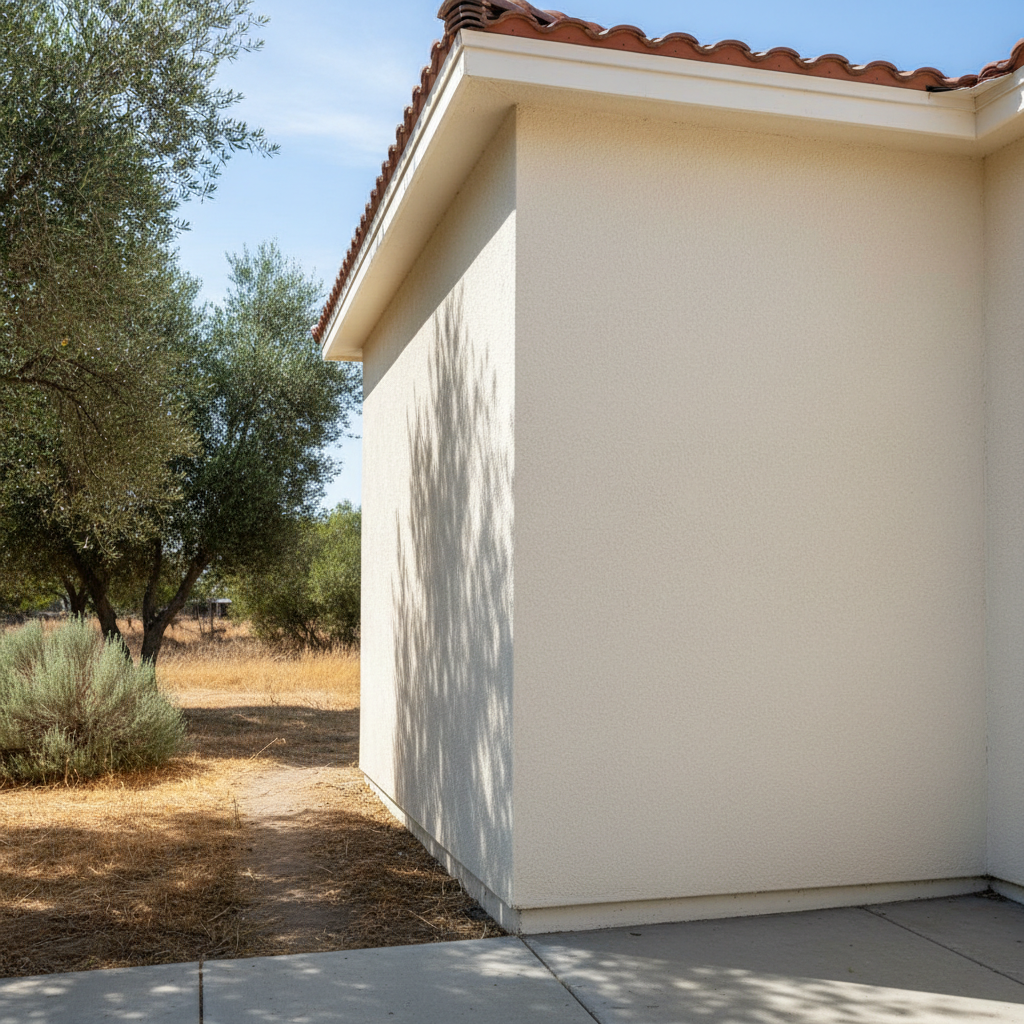
Alright, let's talk about stucco. You've got it on your home, and it's a great choice for our climate here in Visalia. It's durable, energy-efficient, and when done right, it looks fantastic. But just like anything else, it needs a little love to really last. I've seen plenty of homes around here, from the older places in the Downtown Historic District to the newer builds out by the Oaks, and the ones that hold up best are the ones where folks pay attention to their stucco.
Extending Your Stucco's Lifespan
You want your stucco to last, right? Of course you do. The biggest thing you can do to extend its life is pretty simple: keep it clean and keep it dry. Our dry, hot summers mean less moisture issues than coastal areas, but when we *do* get rain, or if you're over-watering your landscaping, that's when problems can start. Stucco is designed to shed water, not absorb it. If water gets behind it and stays there, you're asking for trouble.
First off, make sure your sprinklers aren't constantly hitting your walls. I see this all the time. Those little drip lines or spray heads pointed directly at the foundation or lower walls? That's a no-go. Over time, that constant moisture will break down the stucco, lead to efflorescence (those white powdery stains), and eventually, bigger issues. Adjust those heads, or better yet, consider drip irrigation for plants right next to the house.
Also, keep an eye on your gutters and downspouts. Are they clean? Are they directing water far enough away from your foundation? If water is just pouring down the side of your house during a storm, that's going to wear down your stucco finish and potentially cause water intrusion. Simple maintenance here goes a long way.
Regular Maintenance: What You Need To Do
You don't need to be out there with a magnifying glass every day, but a quick walk-around your house a couple of times a year can save you a lot of headaches and money down the road. Here's what I recommend:
- Wash it down: Every year or two, give your stucco a good, gentle cleaning. A garden hose with a spray nozzle is usually enough. For tougher dirt or mildew (which isn't super common here but can happen in shady, damp spots), you can use a soft brush and a mild detergent solution. Just make sure to rinse thoroughly. Don't use a high-pressure washer unless you really know what you're doing; you can damage the finish or even force water behind the stucco.
- Check for cracks: This is a big one. Small hairline cracks are pretty normal with stucco, especially with our temperature swings. They're usually not a huge deal. But if you see cracks that are wider than a credit card, or if they're running in a spiderweb pattern, or if they're around windows and doors, those need attention.
- Look at penetrations: Any place something goes into or through your stucco – like dryer vents, electrical conduits, hose bibs, or even where your roof meets the wall – needs to be sealed properly. Check the caulk around these areas. If it's cracked, dried out, or missing, it needs to be reapplied. This is a prime spot for water to sneak in.
- Trim back plants: Keep bushes and trees from growing directly against your stucco. They hold moisture against the wall and can rub against the surface, causing damage. Give your stucco some breathing room.
Warning Signs of Stucco Problems
You're looking for anything that seems off. Trust your gut. If something looks weird, it probably is. Here are a few key things that tell you something's not right:
- Discoloration or staining: Beyond just dirt, are there dark streaks, green patches (mildew/algae), or those white powdery deposits (efflorescence)? These usually point to excess moisture.
- Soft spots or crumbling: If you gently press on the stucco, does it feel soft or spongy? Does it crumble easily? That's a sign of significant water damage and deterioration.
- Large or expanding cracks: Like I said, hairline cracks are often fine. But if a crack is getting wider, or if you can see light through it, or if you see multiple cracks converging, that's a red flag.
- Bubbling or peeling paint/finish: This means moisture is trapped behind the surface and is trying to get out.
- Separation from trim or openings: If the stucco is pulling away from window frames, door frames, or other trim, that's an open invitation for water.
When To Call A Professional
Look, I'm a big believer in DIY when it makes sense. But some things are best left to the pros. If you're seeing any of those major warning signs – large cracks, soft spots, significant water staining, or bubbling – you need to call someone who knows stucco. Don't wait. A small problem today can turn into a huge, expensive headache tomorrow, especially with potential structural damage from water. It's not just about patching a hole; it's about finding the source of the problem and fixing it right.
Here at Visalia Stucco & Plastering, we've seen it all. We can assess the damage, figure out what's causing it, and get it fixed up properly so your home stays protected. Don't hesitate to reach out if you're unsure. A quick inspection can give you peace of mind or catch a problem before it gets out of hand. Your home is a big investment; let's keep that stucco doing its job.