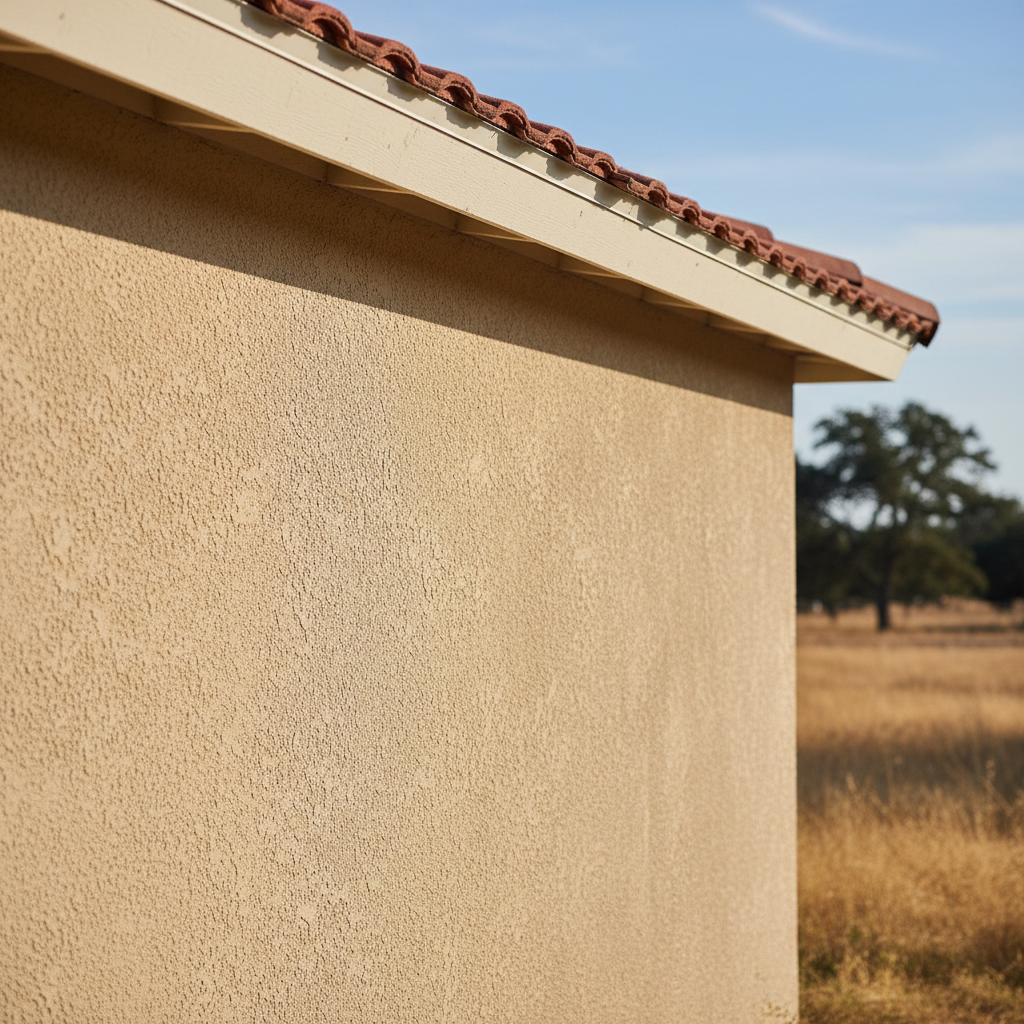
You see stucco everywhere in Visalia, right? On homes, sure, but also on shopping centers, office buildings, and restaurants. Sometimes folks ask me, "Hey, is that commercial stucco the same as what's on my house?" or "Can I get that type of finish on my home?" Good questions, those are. There's a lot of overlap between the two, but also some key differences. Let's dig into what I hear most often from homeowners when they ask about commercial stucco.
What's the main difference between residential and commercial stucco?
Honestly, the biggest difference often comes down to the sheer size of the job, how tough it needs to be, and sometimes the specific systems we use. On a house, you're usually looking at a three-coat traditional stucco system or maybe a one-coat system, both designed for the kind of wear and tear a home gets. Commercial buildings, especially the bigger ones, often need something a lot tougher. They might get more foot traffic, more impacts, or just need to last longer with less upkeep because, well, they're huge. You'll see things like thicker base coats, a lot more control joints, and sometimes different finishes built to really take a beating.
Are commercial stucco systems more durable?
Generally, yes, they're made for higher performance. Just think about a busy storefront compared to your quiet backyard wall. That storefront is going to get bumped, scraped, and hit with more weather elements. So, commercial stucco often uses tougher materials. For example, an Exterior Insulation and Finish System (EIFS), which is super common on commercial buildings, gives you excellent insulation and a really durable finish layer. Traditional stucco on commercial jobs might use stronger cement mixes or more reinforcing mesh. It's all about designing it to stand up to more stress and still look good for a longer time in a high-traffic spot.
Can I use commercial-grade stucco on my house?
You absolutely can, and sometimes it's a smart move, especially if you're looking for extra durability or a specific look. Say you have a high-traffic area around your patio or a wall that takes a lot of abuse; using a commercial-grade base coat or a more impact-resistant finish could be a great idea. EIFS, while you often see it commercially, is also a fantastic option for homes, offering top-notch insulation and a huge range of finishes. We've done plenty of residential jobs with systems that are technically 'commercial-grade' because the homeowner wanted that extra bit of toughness or better energy efficiency. It just means a higher upfront cost, but often better long-term performance, wouldn't you agree?
What about the finishes? Are they different?
The types of finishes you can get for commercial stucco are pretty much the same as residential: smooth, sand, dash, lace, even custom textures. What you'll notice more on commercial buildings is often a preference for very clean, modern lines, or highly textured, durable finishes that hide imperfections better over time. You might see more synthetic finishes on commercial properties because they offer more consistent color, better crack resistance, and a wider range of textures. But really, any finish you like on a commercial building can usually be replicated on your home. It just comes down to what look you're after.
Is commercial stucco more expensive?
Per square foot, commercial stucco can be more expensive, yes. This happens for a few reasons: the materials themselves might be higher-grade or specialized, the installation often needs more complex scaffolding or equipment, and the labor might involve more specialized techniques or quality control. Plus, commercial projects often have tighter deadlines and bigger crews. However, for a homeowner, if you're just looking to upgrade a part of your house with a tougher system, the cost difference might not be as dramatic as you'd think compared to the benefits you get in durability and how long it lasts. It's always worth getting a detailed quote from us at Visalia Stucco & Plastering to compare.
Does commercial stucco require different maintenance?
Not necessarily different, but perhaps more strict or frequent, depending on how the building is used. Commercial buildings often have maintenance schedules built right into their operations. For a homeowner, the basic rules are the same: keep it clean, check for cracks, and deal with any water issues quickly. The good news is that since commercial systems are often built to be tougher, they might actually be more forgiving if you miss a cleaning or two. But just like your home's stucco, regular visual inspections are key to catching small problems before they turn into big, expensive ones.
What about those big cracks I see on some older commercial buildings?
Ah, the cracks. You see 'em everywhere, even on newer stuff sometimes. Visalia's clay soil, with its expansion and contraction, doesn't do stucco any favors, whether it's residential or commercial. On commercial buildings, those big cracks can often be due to the building's structure moving, especially if it's an older place that's settled over decades. They can also come from not enough control joints during installation, or just plain old wear and tear and lack of maintenance. The good news is that most cracks, even large ones, can be repaired by a skilled professional. It's all about figuring out the cause and using the right materials to fix it right the first time.