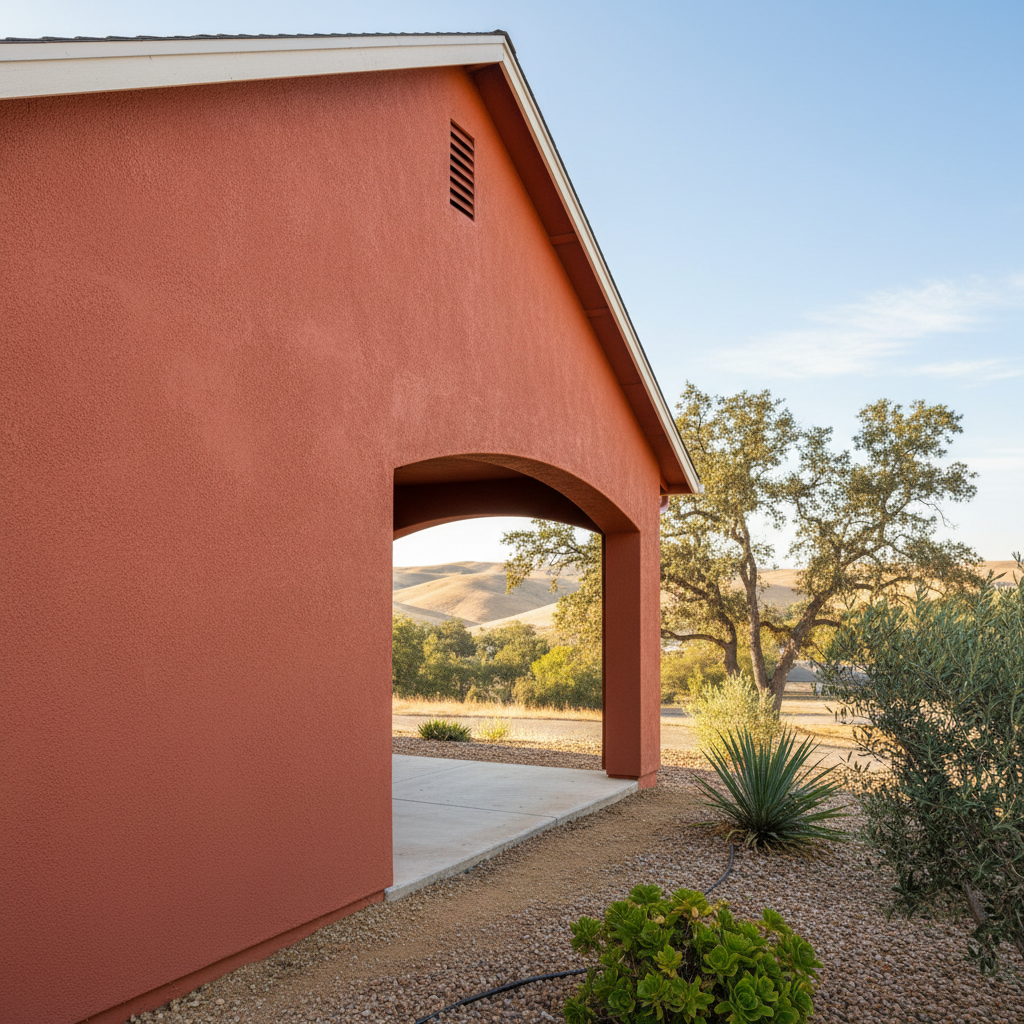
So, you've invested in redashing your stucco. Maybe your old finish was looking tired, or you had some repairs done and wanted a fresh, uniform look. Good for you! Redashing isn't just about curb appeal; it's about protecting your home. But getting it done is only half the battle. Now, you've got to maintain it if you want that fresh finish to last.
Extending the Life of Your Redash
You want that new stucco to hold up, especially with our hot Visalia summers and the occasional wet winter. The biggest thing you can do to extend its life is pretty simple: keep it clean and keep it dry. Sounds obvious, right? But people forget.
First off, think about water. Stucco is tough, but constant moisture is its enemy. Make sure your sprinklers aren't hitting the walls directly. I've seen plenty of homes in neighborhoods like Shannon Ranch where the stucco on the lower parts of the house gets hammered by sprinklers every morning. That's a recipe for algae, mildew, and eventually, breakdown. Adjust those heads. Also, check your gutters and downspouts. Are they clear? Are they directing water away from your foundation and walls? If water is constantly running down your stucco, it's going to wear it down and stain it prematurely.
Another thing is landscaping. Keep bushes and trees trimmed back from the house. They can trap moisture against the stucco, block air circulation, and even scratch the surface if they're rubbing against it in the wind. Plus, pests love to use overgrown plants as a bridge to your house.
Regular Maintenance You Can Do
This isn't rocket science, folks. A little regular attention goes a long way. Here's what I tell my customers:
- Clean it gently: Once a year, give your stucco a good wash. Not with a pressure washer – that's a big no-no unless you know exactly what you're doing and use a very low setting. High pressure can damage the finish, force water into tiny cracks, and even blow off loose material. Use a garden hose with a spray nozzle, a soft brush, and a mild detergent. Nothing fancy, just dish soap works fine. Rinse it well from top to bottom.
- Look for cracks: Do a walk-around inspection every six months or so. What are you looking for? Hairline cracks are normal as a house settles and expands and contracts with our temperature swings. But if you see cracks that are wider than a credit card, or if they're running in a stair-step pattern (especially near windows or doors), that's something to pay attention to.
- Check for efflorescence: This is that white, powdery stuff you sometimes see on masonry. It's mineral salts left behind when water evaporates from inside the wall. It's usually harmless on its own, but it's a sign that water is getting into your stucco somewhere. You can usually brush it off, but if it keeps coming back, you've got a moisture problem to address.
- Sealants and caulking: Check around windows, doors, and where the stucco meets other materials like trim or the foundation. Is the caulk still flexible and intact? If it's cracked, shrunken, or missing, it's not doing its job of keeping water out. Re-caulk as needed with a good quality exterior sealant.
Warning Signs of Bigger Problems
You're doing your regular checks, and you spot something that doesn't look right. Here are some red flags that mean you might have more than just a cleaning job on your hands:
- Stains that won't wash off: Dark streaks, especially under windows or where two walls meet, can indicate water penetration. Algae and mildew are usually green or black and often grow in shady, damp spots. While you can clean them, persistent growth means moisture isn't drying out properly.
- Bubbling, chipping, or flaking: This is a clear sign that moisture is getting behind the stucco and causing it to lose adhesion. It's not just cosmetic; it means the integrity of your finish is compromised.
- Soft spots: If you gently tap on your stucco and hear a hollow sound, or if it feels soft or crumbly, that's a serious indicator of water damage underneath.
- Cracks that are growing: Those hairline cracks I mentioned? If they start getting wider, longer, or if new ones appear rapidly, it could be a sign of structural movement or significant moisture issues.
When to Call a Professional
Look, I'm all for homeowners doing what they can to maintain their property. But there are times when you need to bring in someone who knows stucco inside and out. If you see any of those major warning signs – bubbling, large cracks, soft spots, or persistent staining – don't ignore it. These issues often mean water is getting into your wall assembly, and that can lead to wood rot, mold, and much more expensive repairs down the line.
Even if it's just a few larger cracks, patching them correctly takes skill to match the texture and color so it doesn't stick out like a sore thumb. A professional can assess the underlying cause of the problem, make the necessary repairs, and ensure the new work blends seamlessly with your existing finish. We've been doing stucco work here in Visalia for years, and at Visalia Stucco & Plastering, we've seen it all. Don't let a small problem turn into a huge headache. A quick call can save you a lot of grief and money in the long run.